
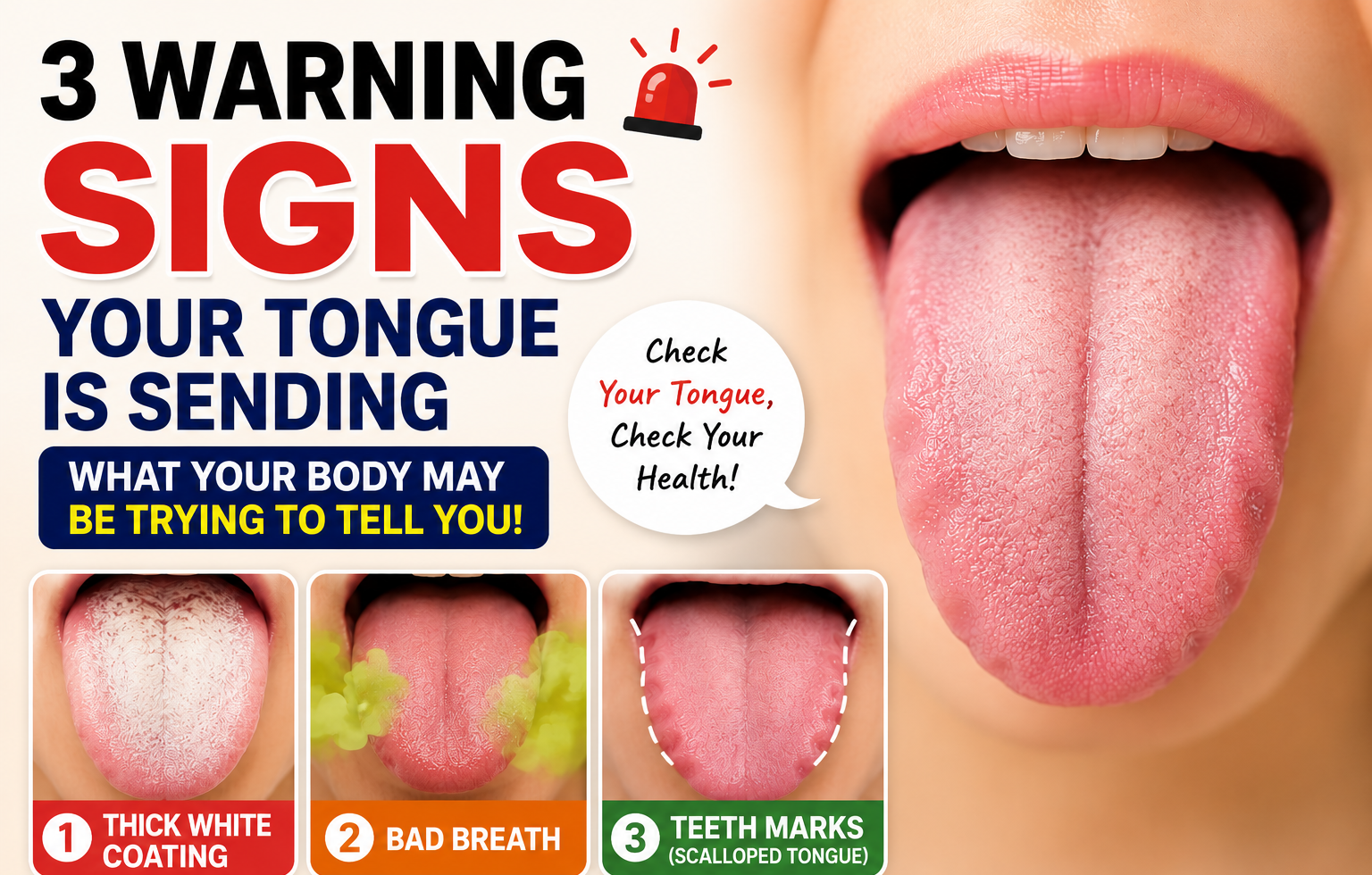
Have you looked at your tongue in the mirror while brushing your teeth this morning? Most of us don’t think much about it, but small changes in your tongue can reveal a surprising amount about your overall health. If you notice clear teeth marks along the edges of your tongue or a thick white coating, it may be more than just a minor issue. Today, let’s talk about the important health signals your tongue may be sending.
Your Tongue Is a Window Into Your Health
If you take a close look at your tongue, you’ll notice a network of tiny blood vessels beneath its surface. These delicate tissues can reflect your blood circulation, immune function, and even your lymphatic health.
In traditional Korean and Chinese medicine, examining the tongue—known as “tongue diagnosis”—is considered just as important as checking the pulse or asking about symptoms. The tongue is an incredibly sensitive organ. When you’re exhausted, your sense of taste may change. After a sleepless night, your tongue may appear dry or develop small cracks.
I’ve noticed these changes myself whenever I’m overly tired. That’s why the tongue is often considered a small screen displaying the condition of your entire body.
A Thick White Coating May Be a Warning Sign
When you stick out your tongue, do you see a thick white or yellowish coating? This is known as tongue coating, and it’s not simply caused by poor brushing habits.
Our mouths naturally contain both beneficial and harmful bacteria. In a healthy mouth, beneficial bacteria keep harmful ones under control. However, when chronic inflammation develops in the body, harmful bacteria begin to multiply and mix with food debris, creating a thick coating on the tongue.
That’s why the coating often returns quickly, even if you clean your tongue thoroughly. Unless the underlying inflammation is addressed, the problem may persist.
Some people are mistakenly judged as having poor oral hygiene when the real issue may be chronic inflammation inside the body. A persistently thick tongue coating should not be ignored.
Persistent Bad Breath Often Starts With Bacteria
Many people struggle with bad breath. Some brush their teeth several times a day and even use mouthwash, yet the odor returns within minutes. This isn’t simply due to poor hygiene.
The primary cause of bad breath is volatile sulfur compounds produced when oral bacteria break down proteins. In simple terms, bacteria release unpleasant-smelling gases as part of their metabolism.
These bacteria tend to accumulate on the back of the tongue, making them difficult to remove with a toothbrush alone. Gum disease or inflamed tonsils can further encourage bacterial growth, making bad breath worse.
Bad breath isn’t simply a normal part of aging. As we age, our immune system may weaken, increasing the likelihood of chronic inflammation. If thorough oral care doesn’t solve the problem, persistent bad breath could be a sign that something else is going on.
Teeth Marks Along the Tongue May Indicate Swelling
Have you ever noticed wavy teeth marks along the edges of your tongue? This condition is often called a scalloped tongue.
The most common reason is swelling of the tongue itself. Chronic inflammation can lead to fluid buildup within the tongue’s tissues, causing mild swelling. As the enlarged tongue presses against the teeth, visible indentations develop.
This tends to become more noticeable at night. When lymphatic circulation is sluggish, your body has more difficulty clearing waste products that accumulate throughout the day.
Poor sleep further reduces the body’s ability to recover, allowing inflammation and fluid retention to worsen. Many people with a scalloped tongue also experience chronic fatigue and inadequate sleep.
Ignoring These Signs May Affect Your Whole Body
These tongue changes shouldn’t be dismissed. Although they first appear in the mouth, they may reflect broader health concerns.
Long-term inflammation has been associated with headaches, worsening joint pain, and increased risks of conditions such as high blood pressure, diabetes, and abnormal cholesterol levels. While tongue changes alone cannot diagnose these diseases, they may be a reminder to pay closer attention to your overall health.
If you’ve noticed these signs, the good news is that several simple habits may help improve your oral environment and general well-being.
Stay Well Hydrated
People with a thick tongue coating, bad breath, or a scalloped tongue often share one common problem: dry mouth.
Dryness encourages bacterial growth, while bacterial overgrowth further dries the mouth, creating a vicious cycle.
Aim to drink about 1.5 to 2 liters of water throughout the day in small portions of 200 to 300 milliliters at a time. Lukewarm water is generally more comfortable than very hot or icy drinks. Coffee, alcohol, and sugary beverages may contribute to dehydration.
Drinking enough water is one of the simplest and most effective habits for supporting oral health.
Salt Water Gargling Can Help
If you have persistent bad breath or a heavy tongue coating, gargling with mild salt water may help reduce bacterial growth and improve moisture in the mouth.
Mix a small pinch of salt into a cup of warm water and gargle for about 10 seconds before spitting it out. Avoid making the solution too salty.
For brushing your teeth, continue using regular toothpaste rather than salt, as modern toothpaste is specifically designed to clean teeth effectively.
Herbal Teas That May Support Oral Comfort
Two traditional herbal teas are often recommended for supporting oral health.
The first is Gardenia tea. Gardenia has traditionally been used to reduce excessive internal heat and may help soothe irritated gums or recurring throat discomfort. It contains a natural compound called genipin, which has been studied for its anti-inflammatory properties.
The second is Ophiopogon (Mai Men Dong) tea. This herb is traditionally used to replenish body fluids and relieve dryness. People who frequently experience dry mouth or throat discomfort may find it soothing.
Some people combine both herbs, particularly if they experience both dryness and signs of irritation. However, herbal remedies may not be suitable for everyone, so it’s a good idea to consult a healthcare professional before using them regularly.
Avoid Alcohol and Tobacco
We all know that alcohol and smoking are harmful, but they can be especially damaging to oral health.
Alcohol dries out the mouth, while smoking reduces blood flow and oxygen levels within oral tissues. This creates an environment where odor-producing anaerobic bacteria can thrive.
If you’re serious about improving your tongue and oral health, reducing or quitting alcohol and tobacco is one of the most beneficial steps you can take.
Quality Sleep Matters More Than You Think
Even people who are generally healthy often notice changes in their tongue after a poor night’s sleep.
Insufficient sleep limits your body’s ability to recover and regulate inflammation. Over time, this may contribute to dry mouth, tongue coating, and swelling.
If you’ve been sleeping poorly lately, take a look at your tongue in the mirror. You may notice a thicker coating or small cracks that weren’t there before. Improving your sleep habits can often make a noticeable difference in both your tongue’s appearance and your overall health.
Final Thoughts
Your tongue is one of the earliest parts of your body to reflect changes in your health. While changes such as a thick coating, persistent bad breath, or teeth marks do not necessarily indicate a serious illness, they may signal that it’s time to pay closer attention to your overall well-being.
Stay hydrated, maintain good oral hygiene, prioritize quality sleep, and seek professional medical or dental advice if these symptoms persist or worsen.
A healthy tongue is one of the many signs of a healthy body.